How to Add a Custom Image Size and Use It Properly in WordPress

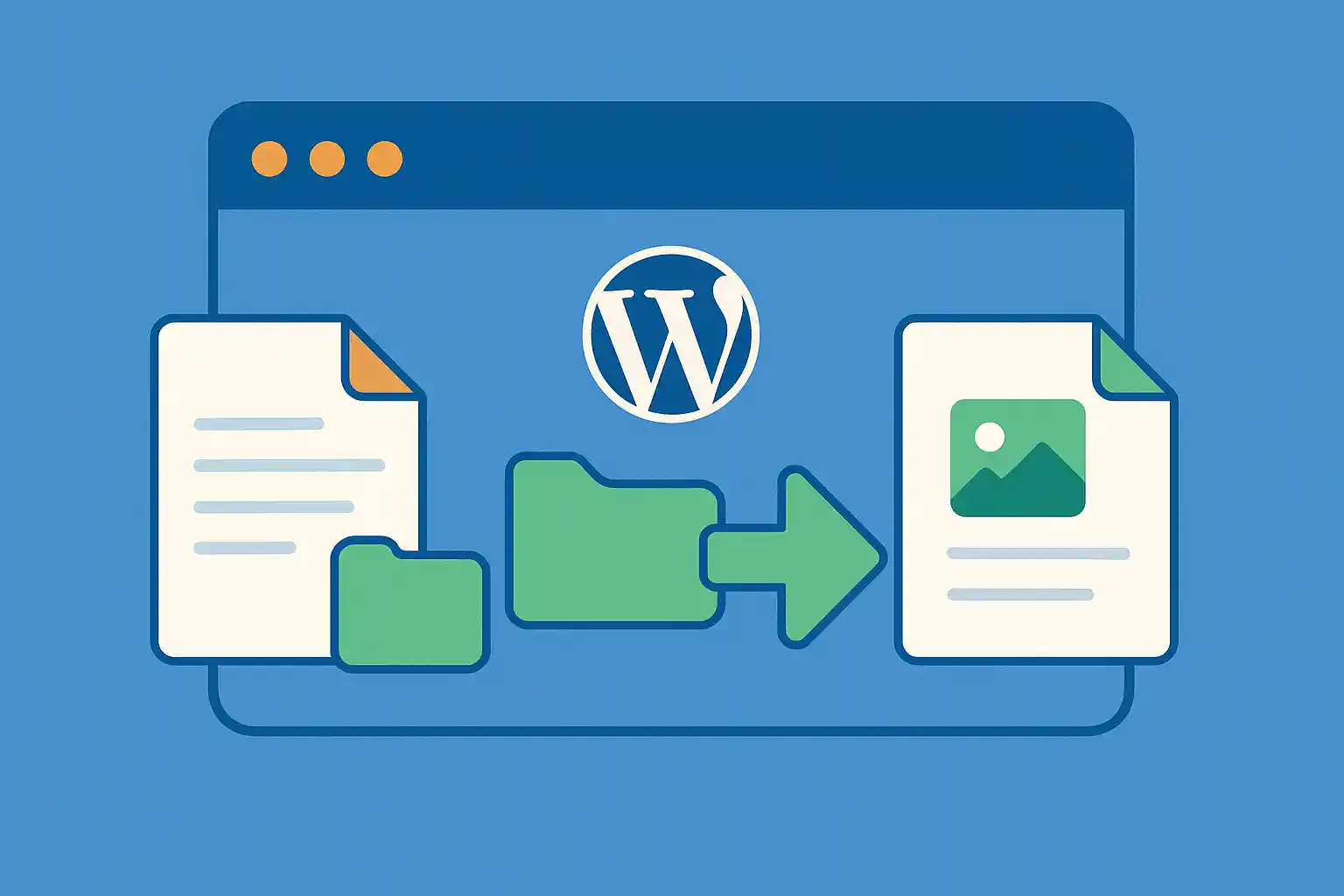
WordPress automatically generates several image sizes when you upload an image, but real-world projects often need custom image sizes — for cards, thumbnails, hero images, or performance-optimized layouts.
This guide explains how to add a custom image size correctly and, just as importantly, how to use it properly in templates so you avoid blurry images, layout shifts, and wasted bandwidth.
Why You Should Use Custom Image Sizes
- Improve performance by serving the right image dimensions
- Avoid oversized images being scaled down with CSS
- Reduce CLS (Cumulative Layout Shift)
- Keep designs consistent across the site
- Gain full control over responsive images (
srcset)
Relying only on full or large images is one of the most common performance mistakes.
Step 1: Add a Custom Image Size
Add the following code to your child theme’s functions.php or a custom plugin.
add_action( 'after_setup_theme', function() {

  add_image_size(
    'card-thumb', // Name (slug)
    400,          // Width in pixels
    225,          // Height in pixels
    true          // Crop (hard crop)
  );

} );
Parameters Explained
- Name: Used when retrieving the image
- Width / Height: Final image dimensions
- Crop:
true→ exact crop (recommended for UI elements)false→ proportional resize
Tip: For modern designs, define sizes that match your actual layout — not arbitrary numbers.
Step 2: Make the Image Size Available in the Media Library (Optional)
If you want editors to select the custom size in the media UI:
add_filter( 'image_size_names_choose', function( $sizes ) {

  return array_merge( $sizes, array(
    'card-thumb' => 'Card Thumbnail',
  ) );

} );
This is optional but helpful for non-technical editors.
Step 3: Use the Custom Image Size in Templates
Featured Image (Post Thumbnail)
if ( has_post_thumbnail() ) {
  the_post_thumbnail( 'card-thumb' );
}
This ensures WordPress outputs the correct size and responsive attributes.
Get Image URL Only
Useful for background images or custom markup.
$image_url = get_the_post_thumbnail_url( get_the_ID(), 'card-thumb' );Get Full Image HTML with Attributes
This method is preferred because it includes srcset, sizes, and loading attributes.
echo wp_get_attachment_image(
  get_post_thumbnail_id(),
  'card-thumb',
  false,
  array(
    'class' => 'card-image',
    'loading' => 'lazy',
  )
);
Step 4: Use Custom Image Sizes in Custom Queries
When looping through posts:
while ( $query->have_posts() ) {
  $query->the_post();

  if ( has_post_thumbnail() ) {
    the_post_thumbnail( 'card-thumb' );
  }
}
Never use full size thumbnails inside loops unless absolutely necessary.
Hard Crop vs Soft Crop (Important)
Hard Crop (true)
- Exact dimensions
- Best for grids, cards, sliders
- May cut off edges of images
Soft Crop (false)
- Preserves aspect ratio
- Height may vary
- Better for content images
You can also use advanced cropping:
add_image_size( 'hero-wide', 1200, 500, array( 'center', 'top' ) );Regenerating Thumbnails for Existing Images
Custom image sizes only apply to images uploaded after the size is registered.
To generate sizes for existing images:
- Use a thumbnail regeneration plugin
- Run regeneration once, then disable/remove the plugin
Do this after finalizing your image size definitions.
Common Mistakes to Avoid
- Using
fullsize images in listings - Defining too many unused image sizes
- Forgetting to regenerate thumbnails
- Setting dimensions that don’t match the layout
- Outputting images without width/height attributes
Performance & SEO Best Practices
- Match image size to rendered size in CSS
- Use
wp_get_attachment_image()to get responsive markup - Keep aspect ratios consistent to reduce CLS
- Limit the number of custom sizes per project
- Combine with lazy-loading and WebP when possible
Where to Put This Code
- Best: Child theme or custom plugin
- OK for small sites:
functions.php - Large projects: Dedicated image setup file (e.g.
inc/images.php)
Conclusion
Custom image sizes are a cornerstone of professional WordPress development. When defined intentionally and used correctly, they dramatically improve performance, visual consistency, and Core Web Vitals.
Key takeaway:
Define image sizes based on layout needs — then always use them instead of scaling large images down with CSS.
This small investment pays off across your entire site.
🎨 Want to learn more? Visit our WordPress Customization Hub for tips and advanced techniques.