How to Find & Fix Broken Links in WordPress (SEO & UX Guide)
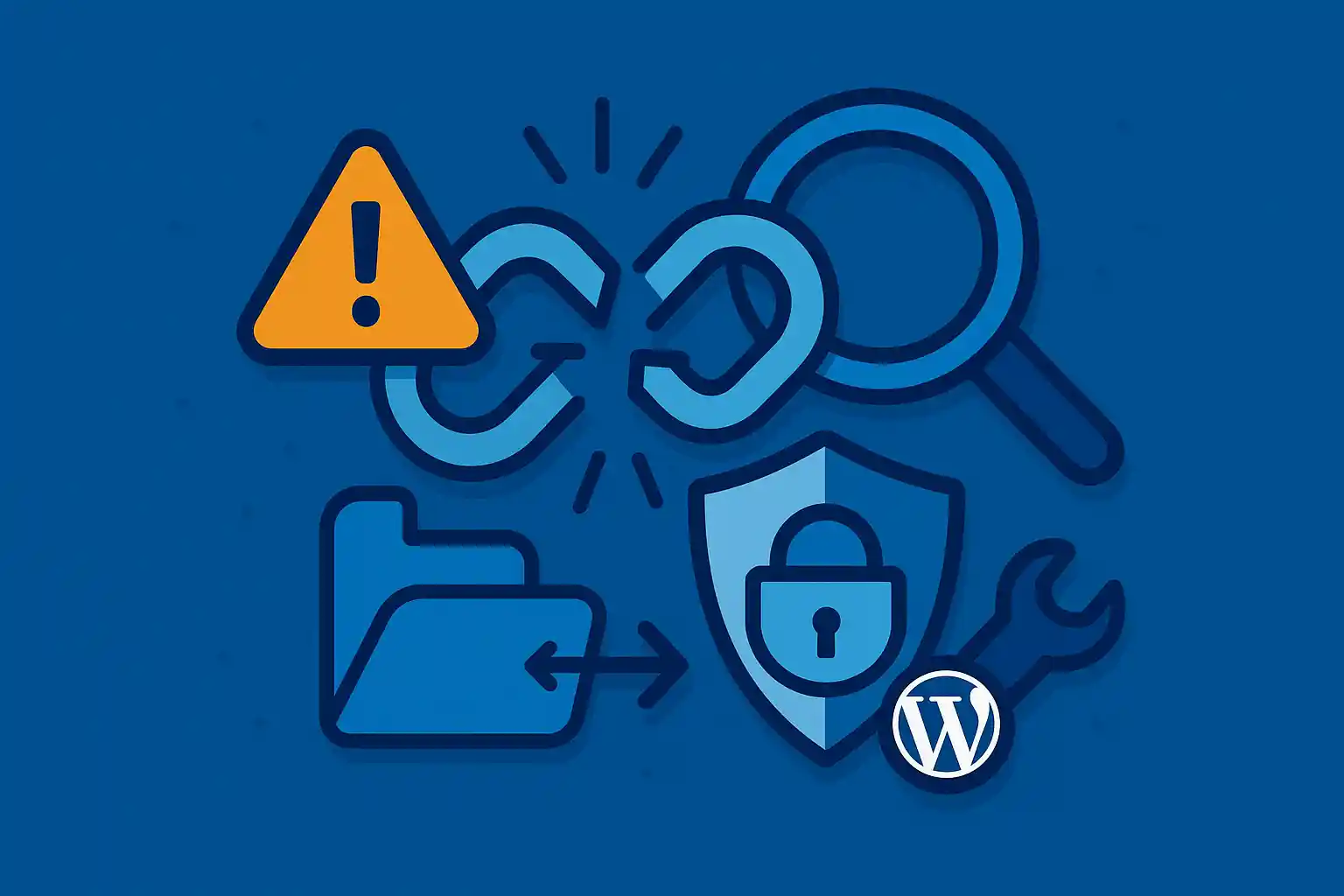
Broken links — URLs that lead to 404 pages or unavailable resources — can quietly damage your website’s SEO, user experience, and credibility. Google recommends regularly checking for broken links to maintain crawlability and overall site quality.
In this guide, you’ll learn the best ways to detect broken links and fix them effectively using WordPress tools, plugins, external scanners, and redirect strategies.
Why Broken Links Matter
Broken links can negatively affect your site in several ways:
- ❌ Bad SEO signals — Google finds your site less reliable
- 📉 Lower user satisfaction — visitors leave immediately
- 🧭 Crawler inefficiency — wasted crawl budget
- 🔗 Affiliate revenue loss — broken outbound links
- 🛑 Internal navigation failures — users can’t find content
Regular link audits ensure your WordPress site stays healthy and trustworthy.
Method 1: Use a WordPress Broken Link Checker Plugin
Plugins are the easiest way to automatically scan your site for broken links.
Recommended Plugins
- Broken Link Checker (by WPMU Dev) — lightweight, cloud-based
- Link Checker (by Redirection plugin author) — fast and modern
- Yoast SEO Premium — includes internal link monitoring
Avoid: The legacy “Broken Link Checker” plugin from 2010s as it causes database load; modern versions offload scanning to a cloud server.
How to Use the WPMU Dev Broken Link Checker
- Install Broken Link Checker from Plugins → Add New
- Create a free cloud account
- Go to Tools → Broken Links
The plugin shows broken links, where they appear, and a quick repair option (edit, unlink, or replace).
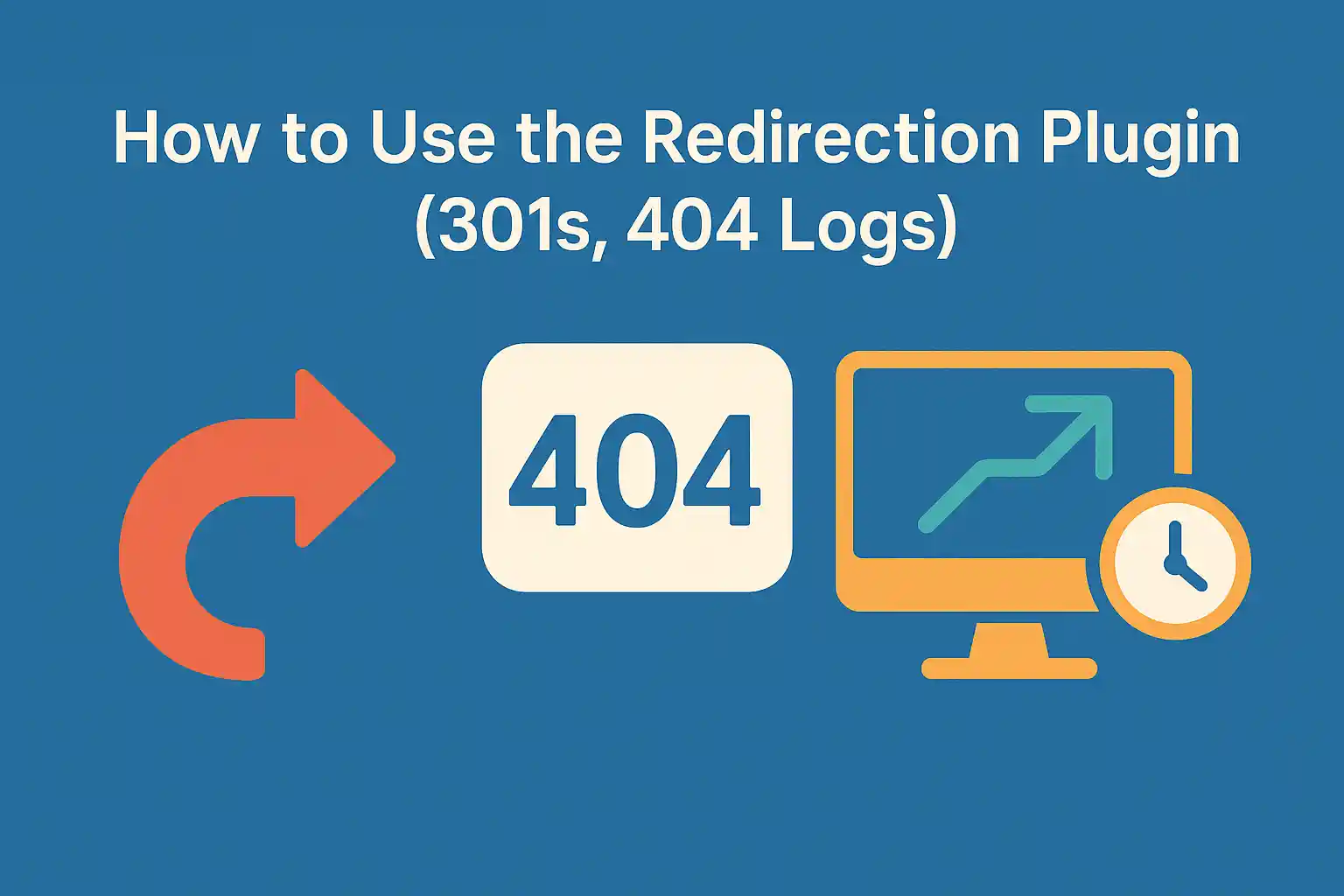
Method 2: Use Redirection Plugin’s 404 Logs
If you’re already using the Redirection plugin, its 404 logs can show broken internal URLs.
Steps
- Go to Tools → Redirection → 404s
- Check URLs repeatedly hit by visitors or bots
- Create a redirect when appropriate
This is particularly useful during migrations or when renaming pages.
Method 3: Use Google Search Console
Search Console detects crawl errors that affect your SEO.
Steps
- Open Google Search Console
- Select your domain property
- Go to Pages → Crawled but not indexed or Not found (404)
Here, Google reports broken internal links detected by crawlers. These should be fixed or redirected quickly.
Method 4: Scan with External Tools (Full-Site Audits)
External scanners provide a more complete audit than WordPress plugins.
Recommended Tools
- Screaming Frog SEO Spider (Free up to 500 URLs)
- Ahrefs Webmaster Tools
- SEMrush Site Audit
- Sitebulb
These tools simulate a crawler and find:
- 404 pages
- Redirect chains
- Broken external links
- Missing images
- Links to non-HTTPS versions
For large sites, Screaming Frog or Ahrefs is highly recommended.
Method 5: Fixing Broken Links (Your Options)
Once you identify broken links, you can repair them using several strategies depending on the situation.
1. Update the Link to the Correct Destination
If the page still exists but the URL changed, update the link inside your post or menu.
2. Remove the Link
If the linked content no longer exists and you don’t need it, simply remove the link.
3. Set Up a 301 Redirect
If the content moved permanently, use a 301 redirect:
- Install Redirection plugin
- Go to Tools → Redirection
- Add a redirect from Old URL → New URL
This preserves SEO value and avoids user frustration.
4. Replace with an Alternative Resource
For outbound links, replace outdated references with a modern equivalent.
5. Recreate Missing Pages (If High SEO Value)
If external sites still link to a removed page, consider restoring or recreating it.
Fixing Broken Image Links
Broken image URLs harm SEO and user experience.
Check for:
- Incorrect media library paths
- Case-sensitive folder names (Linux servers)
- Hotlinked images moved or removed
Use Search Console or a site audit tool to detect missing image files.
Preventing Broken Links in the Future
You can reduce future issues by following these practices:
- 📌 Avoid changing URLs unless necessary
- 📌 Use a redirection tool that auto-updates links on slug changes
- 📌 Keep your permalink structure stable
- 📌 Monitor 404 logs monthly
- 📌 Use Search Console and crawlers regularly
Strong site hygiene makes SEO more consistent long-term.
Conclusion
Broken links are unavoidable as your site grows — but they are easy to catch and fix with the right tools. WordPress plugins like Broken Link Checker and Redirection help you monitor issues, while Google Search Console and external crawlers provide deeper insights.
By regularly auditing and correcting broken links, you improve:
- ✔ SEO crawlability
- ✔ User experience
- ✔ Site authority
- ✔ Conversion rates
Summary: Scan for broken links → Update or redirect → Monitor 404s → Maintain clean URLs.
With this routine, your site stays healthy, trustworthy, and optimized.
🔌 Looking for more? Check out our WordPress Plugins Hub to discover recommended tools and how to use them.